Wednesday, September 2, 2026
A year of garden and home decor collections (March 2026 – March 2027)
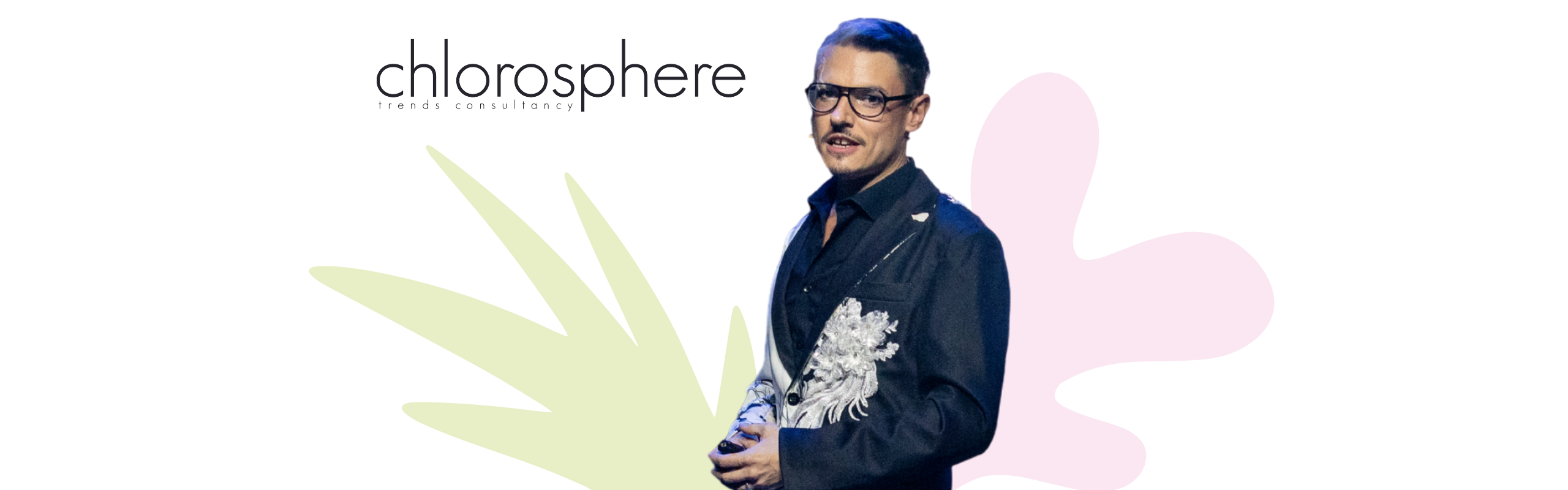
From water lily flowers to mycelium walls, Manuel Rucar (Chlorosphère) deciphers month by month the colours, materials and atmospheres that will shape the outdoors and the decor.
During a presentation dedicated to trends at JdC Garden Trends 2026, Manuel Rucar from the firm Chlorosphère delivered a creative and commercial roadmap for the period March 2026 - March 2027.
Based on consumption data and expert opinions (landscapers, florists, plant designers and industry federation), he presented a collection plan conceived by month: products, color palettes, up-and-coming materials and uses, all elements intended to inspire brands and retailers.
The central theme this year is the search for visual impacts to capture attention (optical illusion, graphic contrasts and striking staging) translated both in the products and in the landscape architecture of the gardens.
Here are the highlights month by month.
March – The awakening of spring and the influence of aquatic plants
Aquatic gardens are making a comeback: plant fibers for outdoor use and a growing interest in water lilies and lotuses. This phenomenon is amplified by fashion and runway shows, resulting in sales of pond bulbs, mainly through mail order for now.
April – Wisteria and heritage nostalgia
The flowering of wisteria is accompanied by a renewed taste for heritage settings (old greenhouses, statues) strongly influenced by the Bridgerton phenomenon: a return to the very flowery and staged garden.
May – Floral Maximalism
Late spring favors the "bigger is better" trend: peonies, old roses, and XXL flowers in deep hues (velvet red, mauve). Events amplify these choices, from ceremonies to garden parties.
June – Mediterranean fervor
Italy inspires opulent table settings: colorful tableware, tomato red, olive green and deep whites for generous summer displays, inspired by high-end restaurants that rely on the same codes.
July – Graphic design and the “fractal” trend
Summer sees the emergence of a very graphic universe (black/white contrasts, stripes and geometric patterns) originating in particular from new technologies of mass 3D printing and transposed to furniture and pottery.
August – Butter Yellow and Amalfi Coast
A sulfur yellow hue, inspired by the art of fine dining, punctuates summer aperitifs. But it also shines a spotlight on the Amalfi style, already present in interior design and now intensified in the garden: echoing the terraced gardens of this coast, landscape designers recommend developing gardens in stages (projects costing €3,000–€5,000): smaller projects are more appealing to homeowners.
September – Sand color to dethrone anthracite
Beige-sand tones are gaining ground in materials (aluminum, screens, furniture) and are promoting the integration of masonry structures: a lasting trend because it is rooted in the building: the client does not add objects, he builds them…a market that escapes retail and benefits craftsmen.
October – The mycelium takes center stage
Fungal materials (mycelium) are becoming increasingly popular as creative and structural materials, being experimented with in ephemeral architecture and printed decorative objects. It's a niche market, but one that has some inspiring implications for designers.
Autumn/Winter – Cozy and magical
Autumn favors warm palettes (cinnamon, mocha, chocolate) for a comforting atmosphere. Christmas leans towards a modern fairytale: iridescent white backgrounds, dichroic effects, and translucent materials.
January 2027 – Indoor and stabilized plants
After the holidays, greenery makes its way indoors through preserved moss, terrariums, and living walls: an ever-present and thriving form of urban greening. This represents a significant market opportunity, particularly for the rapidly growing event agencies.
February 2027 – Wood is moving upmarket
Wood is regaining its prestige: raw, veined, worked in fine joinery, it is becoming a premium material for durable and sensory pieces, a way to justify a premium positioning with unique pieces at moderate costs.
Implications for market players
These trends call for a blend of boldness and sustainability: exploring new materials (mycelium, aquatic plant fibers) while capitalizing on tried-and-true elements (wood, sand tones). From a commercial standpoint, segmenting the offering into project phases and planning 2-3 parallel collections allows for catering to diverse consumer profiles. Finally, prioritizing integration (masonry, built-in furniture) contributes to lasting designs, less subject to fleeting trends; a portion of the market will be excluded, but this will lead to an expected move upmarket.
Quick summary
● Common thread : visual impact to be maximized.
● Major trends : aquatic plants, floral maximalism, Bridgerton influences, Mediterranean palettes, black/white graphics, Amalfi Coast, beige-sand color, furniture integrated into the building, mycelium, chocolate cocooning, enhancement of wood.
● Business advice: propose micro-projects rather than a complete garden, 2-3 collections to run in parallel in your offerings, combine material innovations and sustainable classics.